
Picking a fence material is a real decision, not a small one. It costs money, takes time to install, and you will live with the result for years. In Denver, wood and vinyl fencing are two of the most popular options, and both can work well when properly installed. The right choice depends on your budget, privacy needs, maintenance preferences, and Denver’s changing weather. This guide compares wood vs. vinyl fences to help you decide which option is right for your property.
Supreme Fencing Denver LLC is a licensed and insured fence company installing wood and vinyl fencing across the Denver metro. This guide is based on real jobs and real posts set through Colorado winters, not generic fencing content. Have questions about a specific yard or slope? Reach out directly — we’re happy to talk through your project before you commit to anything.
Quick Answer for Denver Homeowners
Wood fencing costs less upfront but requires regular maintenance. Vinyl fencing costs more initially but needs very little upkeep. Both materials can perform well in Denver, but the better choice depends on your budget, desired appearance, maintenance preferences, and how well the fence is installed. Denver’s strong sun, changing temperatures, snow, and freeze thaw cycles can affect wood and vinyl fences differently. Below, we compare cost, durability, maintenance, privacy, and long term value to help you choose the right fence for your property.
Wood Fencing: Pros and Cons
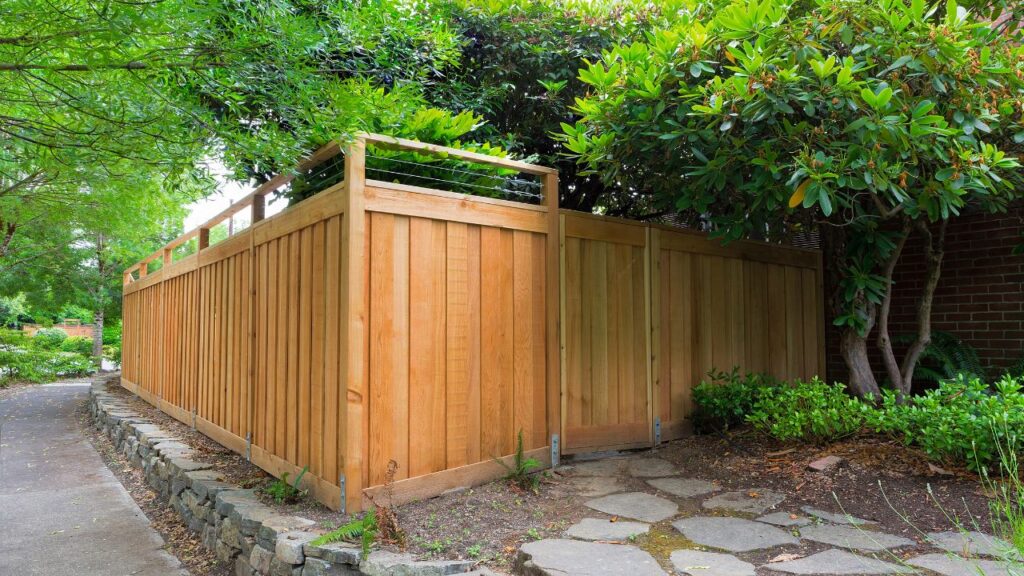
Wood fencing is a popular choice for Denver homes because it offers a natural look, strong privacy, and flexible design options. Cedar and treated pine are common choices, with cedar offering better natural resistance to moisture and decay.
Wood fencing is also easy to customize. Fence boards can be adjusted to fit slopes, uneven ground, and different property layouts, making it a practical option for many Denver yards.
The main drawback is maintenance. Wood fencing needs periodic staining or sealing to protect it from Denver’s strong sun, moisture, snow, and changing temperatures. Without regular care, wood can fade, crack, warp, or deteriorate over time.
Pros of Wood Fencing
- Lower upfront cost than vinyl
- Natural look that fits most Denver neighborhoods
- Easy to repair one board at a time
- Can be stained any color you want
Cons of Wood Fencing
- Needs restaining every two to three years
- Can warp or crack in freeze-thaw cycles
- Shorter lifespan than vinyl if not maintained
- Vulnerable to rot near the ground line
Vinyl Fencing: Pros and Cons
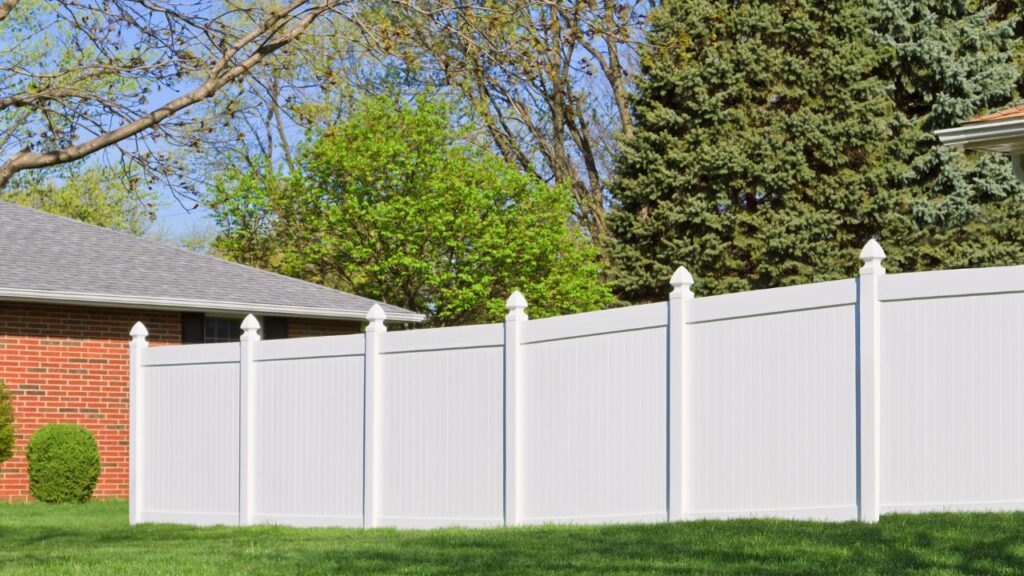
Vinyl fencing has grown fast in Denver over the past decade. It’s made from PVC, and it does not rot, warp, or attract termites the way wood can. That’s the main reason homeowners switch to it.
Vinyl fencing is a durable, low maintenance option for Denver homeowners. Quality vinyl is designed to resist fading from strong sunlight and can handle changing weather with very little upkeep. Unlike wood, it does not need regular painting, staining, or sealing.
The main drawback is the higher upfront cost. Vinyl fencing typically costs more than wood, and damaged panels may need to be replaced as complete sections rather than repaired board by board. Material quality also matters, as lower quality vinyl may become brittle or fade over time.
Pros of Vinyl Fencing
- Resists rot, termites, and water damage
- Needs almost no maintenance after install
- Holds color for years without fading
- Handles Denver’s freeze-thaw cycles well if installed right
Cons of Vinyl Fencing
- Higher upfront cost than wood
- Harder to repair small sections
- Lower-quality vinyl can crack in extreme cold
- Fewer natural design options than wood
Wood vs Vinyl Fence Cost in Denver (Per Linear Foot)
Pricing below reflects Denver metro rates as of 2026 and shifts with material and labor costs — get a current quote before budgeting.
Wood Fence Installation Cost Cedar fencing typically runs $15–$20 per linear foot installed. Pine costs slightly less but wears out faster in Colorado’s climate. A standard 150-foot backyard fence in cedar runs roughly $2,250–$3,000 installed.
Vinyl Fence Installation Cost Vinyl fencing typically runs $35–$65 per linear foot installed, depending on style and privacy level. That same 150-foot yard in vinyl runs roughly $5,250–$9,750 installed.
Long-Term Cost Over 20 Years This is where the numbers shift. A cedar fence needs restaining roughly every two to three years, which adds up over two decades. Add labor or materials for staining, plus the higher chance of board replacement from rot, and wood’s lower upfront cost narrows over time. Vinyl needs close to zero maintenance spending across the same 20 years, since it only needs occasional washing.
If you’re planning to stay in your home long-term, vinyl often closes the cost gap. If you’re budget-focused right now or planning to sell within a few years, wood’s lower upfront cost usually wins.
Durability: How Denver Weather Affects Wood and Vinyl Fencing
Denver’s climate is tough on fencing. Summers bring intense UV exposure from high elevation. Winters bring heavy wet snow and hard freeze-thaw cycles. Spring often brings strong wind gusts along the Front Range. Both materials need to survive all three.
How Freeze-Thaw Cycles Affect Wood Fences Wood absorbs moisture during snowmelt. When temperatures drop again, that moisture freezes and expands inside the wood grain. Repeated freeze-thaw cycles crack boards over time, especially near the base where snow sits longest.
How Freeze-Thaw Cycles Affect Vinyl Fences Vinyl does not absorb water, so freeze-thaw cycles don’t damage the panels directly. The real risk with vinyl is the posts underneath, not the panels themselves.
Why Post Depth Matters (Denver’s 36-Inch Frost Line) Denver’s frost line sits at roughly 36 inches deep. Fence posts need to be set below that depth, in concrete, for either material to stay stable. If a post is set too shallow, freeze-thaw cycles push the ground upward each winter and slowly heave the post out of place. This happens to wood and vinyl fences equally if the installer skips proper post depth. A fence that leans after one winter almost always points back to a post set too shallow, not a bad material choice.
Maintenance: Staining vs Washing
Wood needs restaining or sealing roughly every two to three years to keep water out. Skipping this step speeds up warping and rot. It also benefits from a yearly check for loose boards or nails, especially after a hard winter.
Vinyl needs an occasional rinse with soap and water, usually once or twice a year. No staining, painting, or sealing required at any point.
Lifespan Comparison in Denver’s Climate
Lifespan ties directly into both cost and maintenance. In Denver’s specific mix of sun, wind, and snow, a well-maintained cedar fence lasts roughly 15–20 years. A quality vinyl fence, installed with proper post depth, lasts roughly 20–30 years.
The gap comes down to how each material handles repeated exposure. Wood slowly breaks down from UV rays and moisture cycles even with good care. Vinyl resists both, so its lifespan depends mostly on installation quality rather than ongoing upkeep.
Aesthetics and Curb Appeal
Wood offers a natural, warm look that fits most Denver homes. You can stain it any shade, from natural cedar tones to darker finishes. It also ages with visible character, which some homeowners like and others don’t.
Vinyl comes in a fixed set of colors and styles, usually white, tan, or gray. It keeps a clean, uniform look for its entire lifespan, since it won’t fade, splinter, or gray out like wood does.
Privacy and Security Comparison
Both materials work well for privacy fencing when built tall enough — typically six feet for backyards. Wood privacy panels sit tightly together with no gaps. Vinyl privacy panels do the same, often with an interlocking design that’s harder to pry apart than wood boards. For pure security, vinyl holds a slight edge since it doesn’t splinter or crack under force the way older wood can.
Environmental Impact: Wood vs Vinyl
Wood is a renewable resource, and it breaks down naturally at the end of its life. Vinyl is made from PVC, which isn’t biodegradable, though it lasts far longer before needing replacement, and many manufacturers now offer recyclable vinyl options. Neither material is a clear environmental winner — it depends on whether you weight renewability or long-term waste reduction more heavily.
Which Fence Is Right for You?
| Priority | Better Choice | Why |
|---|---|---|
| Privacy | Either | Both perform equally when built to full height with no gaps |
| Low maintenance | Vinyl | Near-zero upkeep across its full lifespan |
| Budget (upfront) | Wood | Lower cost, especially for larger yards |
| HOA compliance | Either | Confirm approved colors/materials with your HOA first |
| Pet containment | Either | Both work if built to correct height with no base gaps |
How This Guide Compares to Other Fencing Advice
Most fencing guides online cover pros, cons, and general pricing. Few connect Denver’s specific frost line depth to post failure. Fewer still lay out real 20-year cost differences instead of just listing upfront price ranges. This guide pulls all three together in one place, based on real installation work in the Denver metro, not generic national advice.
Final Verdict: Wood or Vinyl for Your Denver Property?
Choose wood fencing if you want a lower upfront cost, a natural look, and more design flexibility, but do not mind regular staining or sealing. Choose vinyl fencing if you prefer minimal maintenance and long term durability and are comfortable with a higher initial cost. Both wood and vinyl can perform well in Denver when properly installed with quality materials and the right approach for local weather and soil conditions. Supreme Fencing Denver LLC installs both wood and vinyl fencing in Denver, CO. We can assess your property, explain the differences, and provide clear pricing before work begins.
Why Denver Homeowners Choose Supreme Fencing Denver LLC
Any company can list wood and vinyl pros and cons. Here’s what we actually do differently on the job:
- Posts set below the 36-inch frost line, every time. We don’t shortcut post depth to save time — it’s the #1 cause of fence failure we get called to fix on other companies’ work.
- A workmanship warranty on every install, wood or vinyl, in addition to manufacturer material warranties.
- Our own crews, so your install isn’t subcontracted out to whoever’s available that week.
- We pull permits where Denver or your HOA requires them — no surprise stop-work orders mid-project.
- A track record across the Denver metro, with before-and-after photos available on request.
If you want to see examples of recent wood and vinyl installs near you, ask us for our project gallery or bring it up when you call for a quote.
Ready to Choose the Right Fence?
Not sure whether wood or vinyl is right for your Denver property? Supreme Fencing Denver LLC can assess your yard, explain both options, and provide clear pricing based on your project. Call today or request your free fence estimate.
Frequently Asked Questions
Is Wood or Vinyl Fencing Better for Denver’s Climate?
Both wood and vinyl fencing can perform well in Denver’s climate when properly installed. Wood offers a natural look and lower upfront cost but requires regular maintenance. Vinyl costs more initially but provides greater durability with minimal maintenance.
How Long Does a Wood Fence Last in Denver?
A properly installed and maintained cedar or treated wood fence can typically last 15 to 20 years or longer. Its lifespan depends on the wood type, installation quality, exposure to sun and moisture, and regular staining or sealing.
How Long Does a Vinyl Fence Last in Denver?
A quality vinyl fence can last 20 to 30 years or more with proper installation. Its lifespan depends on material quality, post installation, weather exposure, and how well the fence is maintained.
Can Vinyl Fencing Crack During Denver Winters?
Yes, low quality vinyl can become brittle and crack in extremely cold temperatures. However, high quality vinyl fencing is designed to handle changing temperatures and can perform well through Denver winters when professionally installed.
Which Is Cheaper Long Term, Wood or Vinyl Fencing?
Wood fencing is usually cheaper upfront, while vinyl often has lower long term maintenance costs. Over time, the cost of staining, sealing, and repairing a wood fence may reduce the initial price difference between wood and vinyl.
Which Fence Should I Choose, Wood or Vinyl?
Choose wood fencing if you prefer a natural appearance, more customization, and a lower upfront cost. Choose vinyl fencing if you want a low maintenance fence with long term durability and are comfortable paying more initially.


